How CostumeLine Approaches Costume Making
The course turns costume construction into a sequence of practical choices: plan the shape, understand the material, test the fit, then add the details.
A Construction-First Way To Learn
Each stage is built around small checks that help keep fabric, fit, proportion, and assembly under control.
PLAN THE SHAPE
Break The Costume Into Workable Parts
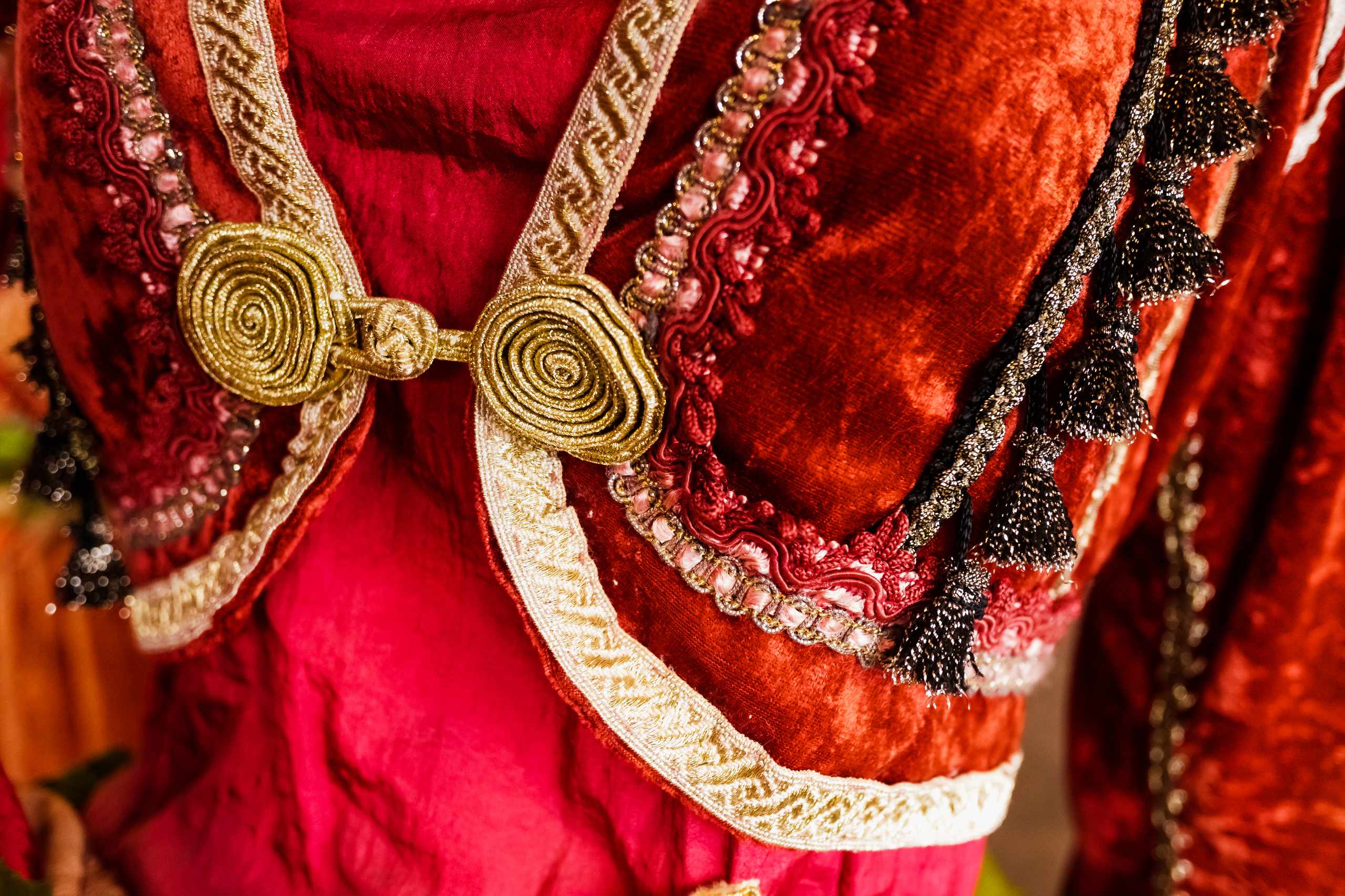
Separate the visual reference into a base garment, layers, closures, accessories, and decoration. This makes it easier to decide what should be measured, patterned, tested, and assembled first.
TEST THE MATERIAL
Check Fabric Before The Final Cut
Small fabric samples reveal how a material stretches, drapes, gathers, and responds to pressing. Testing first helps connect fabric behavior with the silhouette the costume needs.
CHECK THE FIT
Adjust Before Permanent Finishing
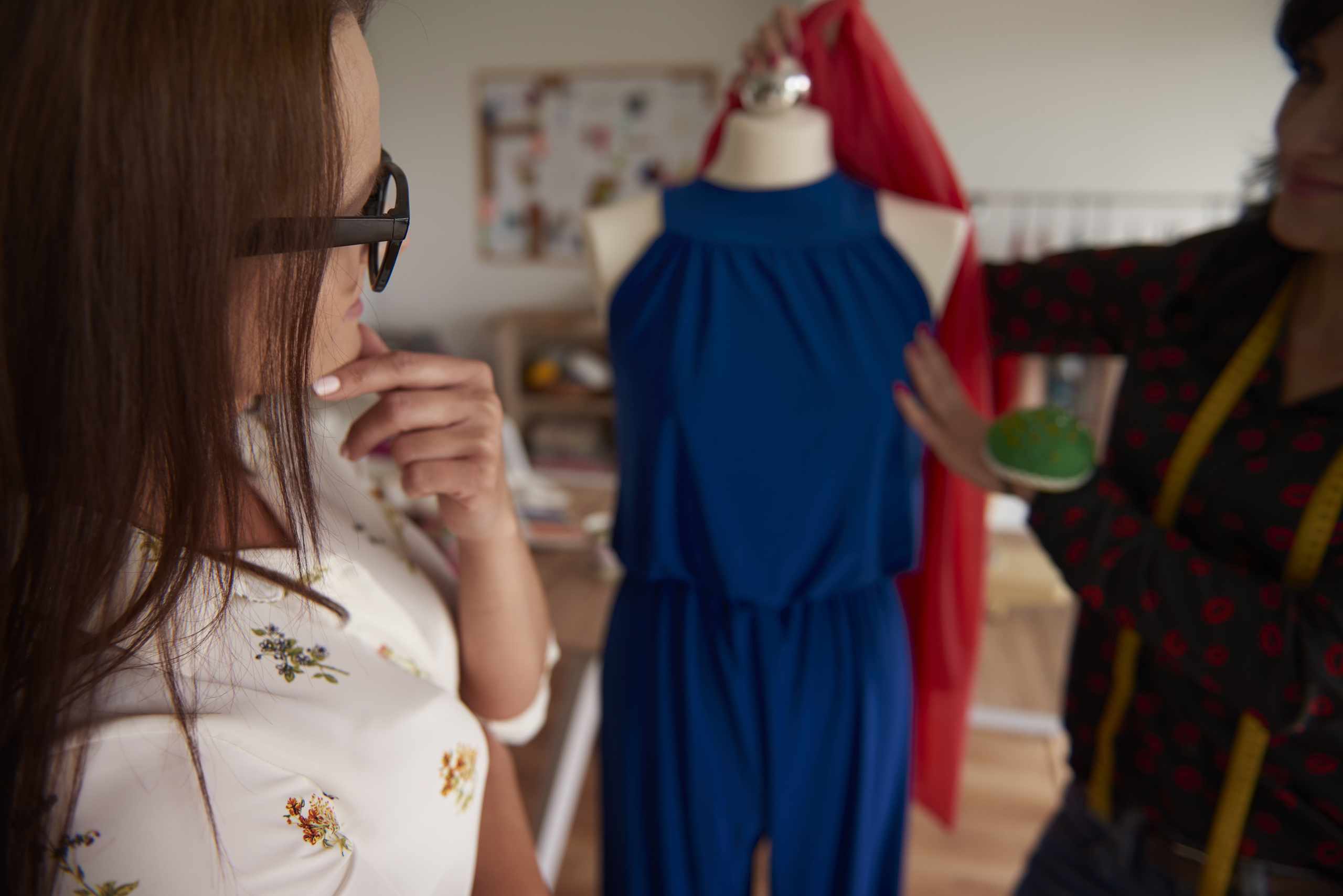
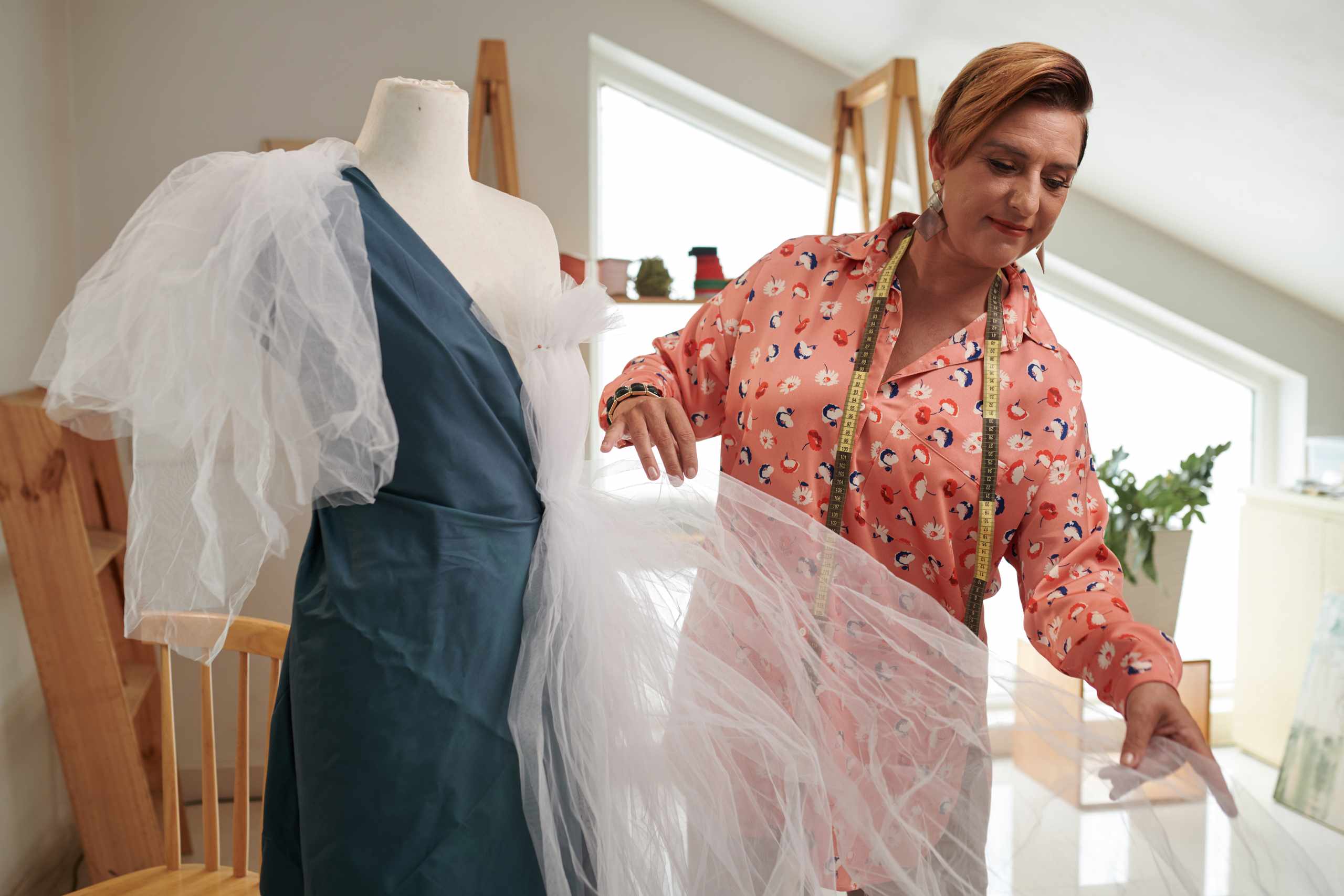
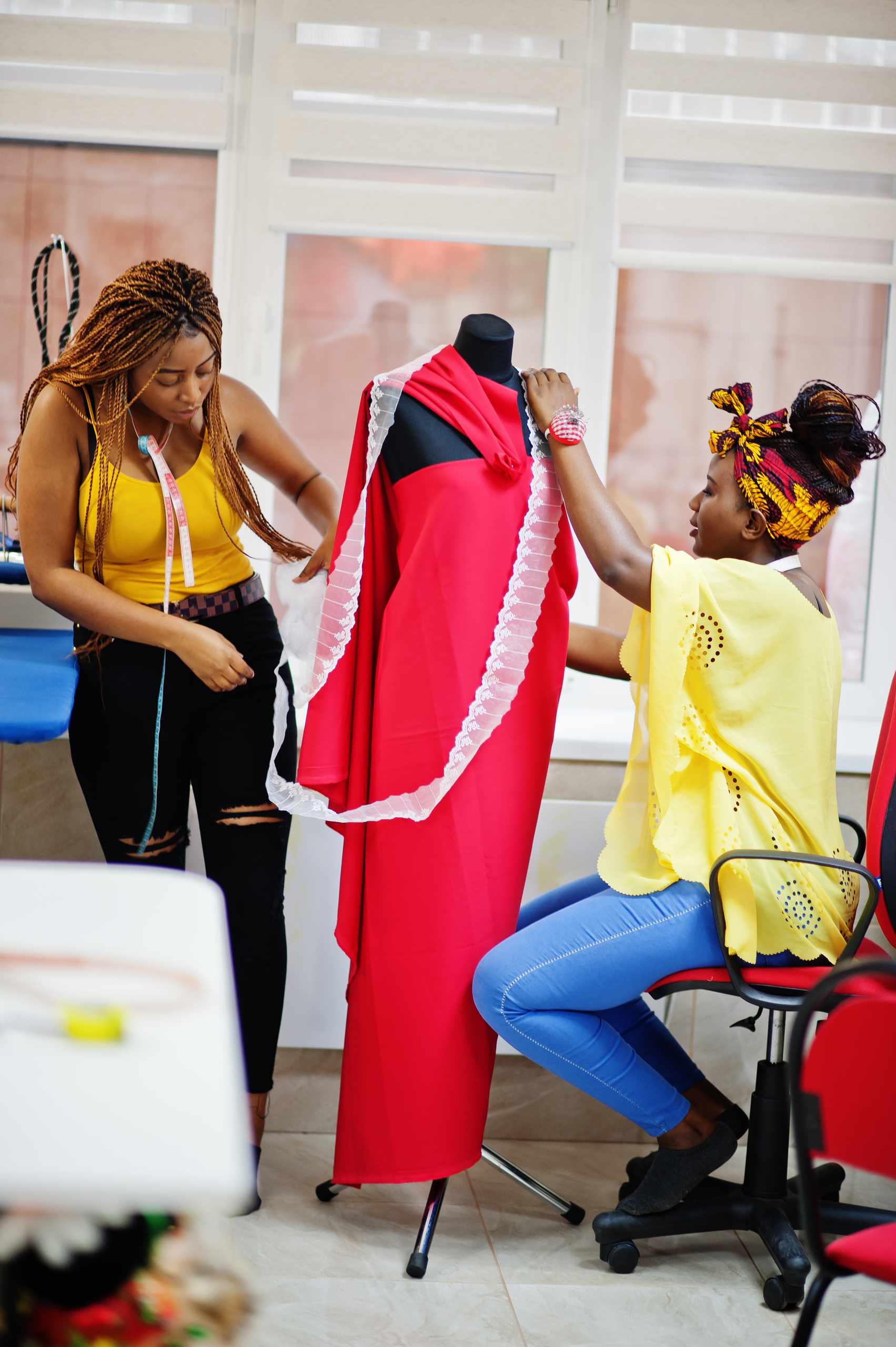
Pinning, basting, and mock-ups make room for correction before final seams are finished. Fit checks focus on ease, movement, proportion, closures, and the costume silhouette from several angles.
Practice That Leaves Room For Correction
Costume making involves decisions that are easier to change early than late. The course emphasizes measuring twice, marking grainlines and seam allowance clearly, testing unfamiliar stitches on scraps, and temporarily assembling major sections before committing to the final construction.
Build Habits You Can Reuse On Future Costumes
The aim is to develop a repeatable process for moving from reference to wearable form without treating every costume as a completely new problem.