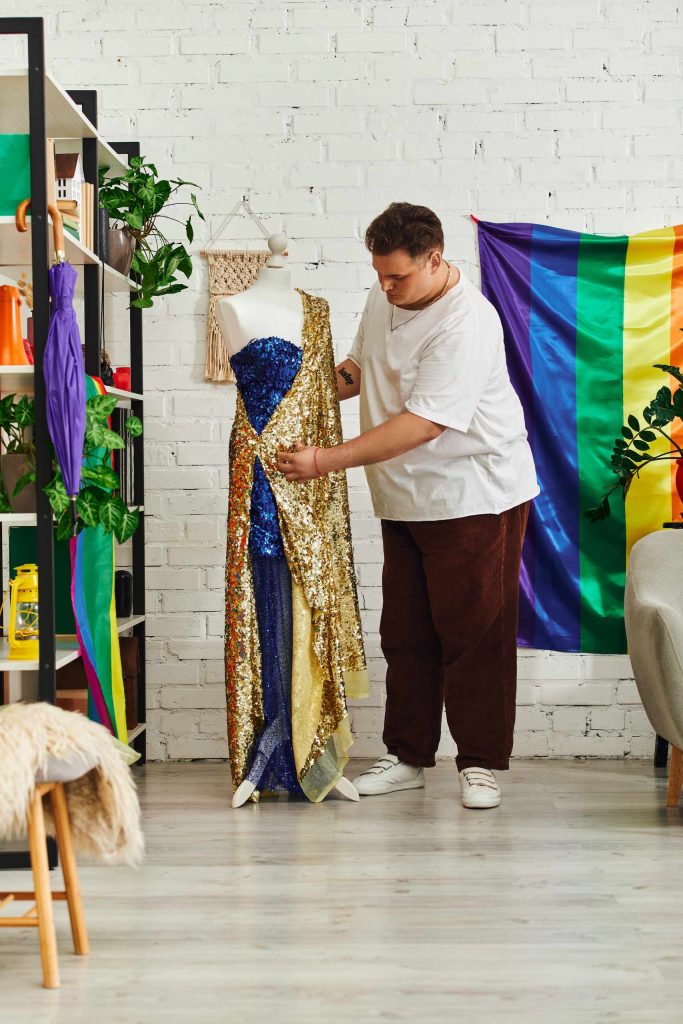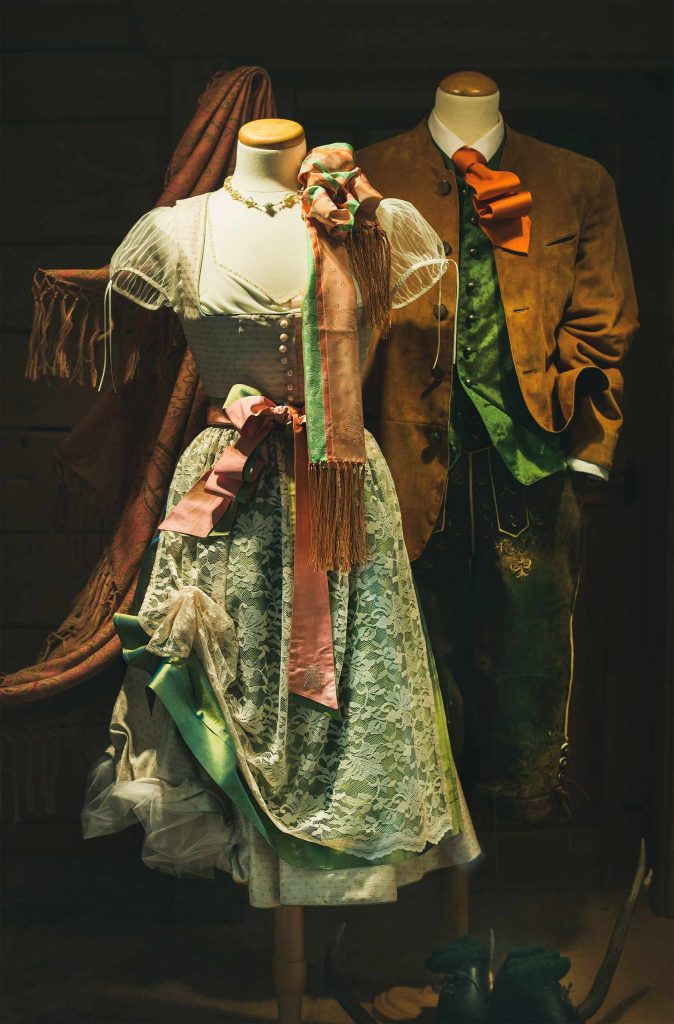
Turn A Costume Idea Into A Wearable Build
Learn how to plan, measure, cut, assemble, fit, and finish a costume while keeping shape,
movement, and practical construction in view.
A Reference Image Is Only The Beginning Of A Costume
A finished costume may look like one complete design, but building it becomes easier when you separate the idea into a base garment, layers, closures, accessories, and decoration. This breakdown helps you decide what needs a pattern, what needs support, and what can be added later.
The course focuses on practical decisions before permanent stitching: checking body measurements, choosing fabric by drape and weight, marking seam allowance, and testing fit with pins or basting. These small checks can reveal problems while the costume is still easy to adjust.
Build The Shape Before Adding The Detail
Test Fabric Before Cutting
Fold, stretch, gather, and press small fabric samples to see how the material behaves before using it for the final costume pieces.
Fit Before Final Stitching
Pin or baste major sections first, then check ease, proportion, closures, and movement before committing to permanent seams and finishing.
Keep Measurements, Grain And Seam Allowance Under Control
Clear marking and careful cutting make later assembly easier. Practice reading the grainline, placing pattern pieces, adding consistent seam allowance, and matching sections without pulling the fabric out of shape.
Make Better Costume Decisions Before The Final Seam
Use practical notes on fabric choice, fitting, closures, mock-ups, pressing, and construction order to prepare each stage with fewer avoidable surprises.
Small Construction Checks Can Change The Whole Build
Learners describe how planning, fitting, and testing materials made their costume work feel easier to organize.
Breaking the costume into separate parts helped me stop trying to solve everything at once. I could plan the base garment first and leave the decorative trim until the fit felt right.

Testing the fabric on a small scrap before cutting changed how I chose materials. I started noticing stretch, weight, and drape instead of judging fabric only by its color.

Pinning and basting before the final seam made fitting much less confusing. I could check movement and adjust the shape before adding closures and visible finishing details.

A Costume Becomes Easier To Build One Decision At A Time
The course approach keeps attention on workable construction choices rather than rushing directly from a reference image to decoration.
Measure before cutting, test unfamiliar materials, assemble major sections temporarily, and look at the silhouette from several angles. These habits make it easier to notice fit, balance, bulk, and mobility while changes are still possible.